

How to Choose a SUP Board: Complete Guide for Recreational, Racing & Commercial Use
Find the right paddle board for casual paddling, racing, or rental fleets — with clear specs and use
How to Choose a SUP Board: Complete Guide for Recreational, Racing & Commercial Use
Picking the right stand up paddle board makes all the difference — whether you’re paddling for weekend fun, training for race events, or building a rental fleet for your business. There is no one-size-fits-all board: a board that works for casual lake use will fall apart under daily rental use, and a race board will feel unstable for a first-time paddler.
In this guide, we break down the key factors, board types, and use cases to help you find the right fit, with clear comparisons for both end users and B2B operators.
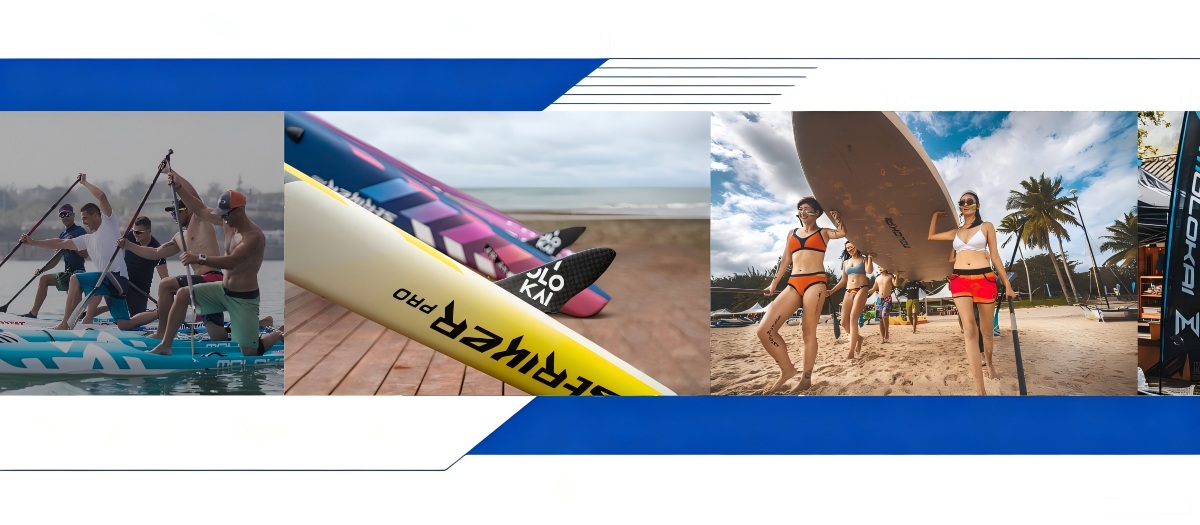
1. Core Factors to Consider Before Buying
Before you look at specific models, start with these 4 core factors. They will narrow down your options quickly and avoid costly mismatches.
1.1 Intended Use Case
This is the single most important question. Are you paddling on flat lakes, surfing ocean waves, racing long distances, or running a rental operation? Each use case demands a different board shape, build quality, and durability level.
1.2 Board Size: Length, Width & Volume
Wider boards (32–34 inches) offer more stability, ideal for beginners and casual use. Narrower boards (26–30 inches) are faster, built for racing and experienced paddlers. Longer boards glide better on flat water; shorter boards are more maneuverable for surfing.
1.3 Construction & Material
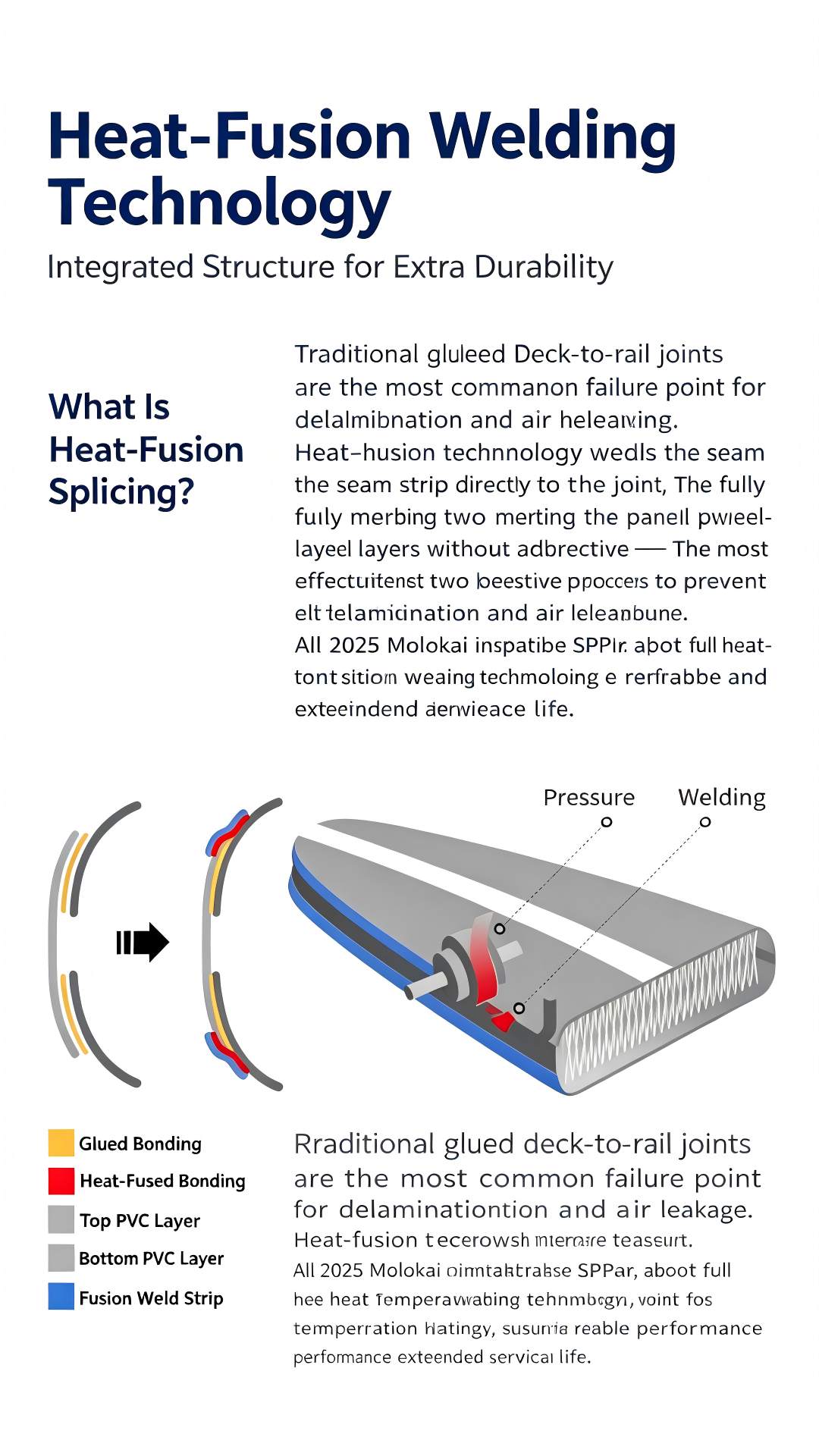
For inflatable SUPs, dropstitch density, rail reinforcement, and seam welding quality determine rigidity, durability, and lifespan. Cheaper low-density boards flex under weight and leak after months of use; commercial-grade builds handle daily use for years.
1.4 Weight Capacity
Always match the board’s weight capacity to the paddler plus gear. For rental fleets, choose boards with higher capacity to accommodate a wider range of customers and reduce damage from overloading.
SUP Board Type Comparison
| Board Type | Best For | Key Traits | Molokai Series |
|---|---|---|---|
| All-around / Recreational | Beginners, casual paddlers, family use | Wide, stable, easy to maneuver | Finder AIR Series |
| Touring / Distance | Long-distance paddling, lake & coastal exploration | Long, narrow, excellent glide, storage space | Dancer PRO Touring |
| Race / Performance | Competitive paddlers, race events, fitness training | Sleek shape, high speed, rigid build | Molokai Race Series |
| Surf SUP | Ocean wave riding, experienced surfers | Short, wide tail, responsive maneuverability | Surf Series |
| Commercial / Rental | Rental fleets, resorts, team building, camps | Extra durable, impact-resistant, low maintenance | Rental Fleet Edition |
2. By Use Case: Which Board Fits You Best
2.1 Recreational & Casual Paddling
For most people getting into SUP, an all-around inflatable board is the best starting point. Look for a width between 32 and 34 inches, which gives enough stability for beginners to stand and balance comfortably, even on slightly choppy water.
A 10’6” to 11’ length is the sweet spot for most adult paddlers under 200 lbs. It’s maneuverable enough for small lakes and calm bays, and glides well enough for casual day trips.
Who this is for: Individual buyers, families, casual paddlers, small retail shops targeting entry-level customers.
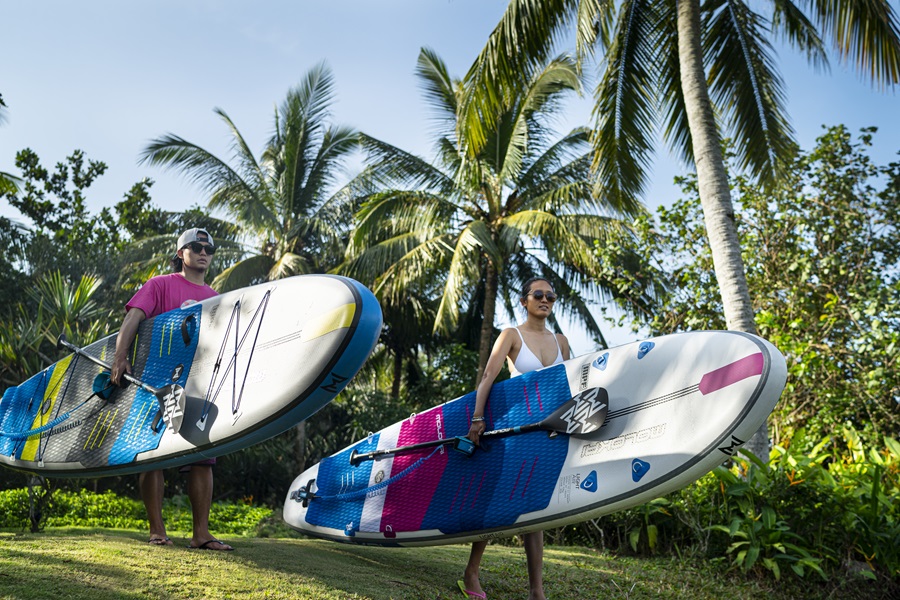
2.2 Racing & Performance Training
Race boards are built for speed and long-distance efficiency. They are longer, narrower, and have a pointed nose that cuts through water with less drag. For serious paddlers, the rigidity of the board directly impacts performance — a flexy board wastes paddling energy.
Racing boards typically range from 12’6” to 14’ in length, with widths from 24 to 28 inches. They require more skill to balance, so they are not recommended for complete beginners.
Who this is for: Competitive athletes, fitness-focused paddlers, specialty retailers targeting performance markets.
2.3 Commercial Rental & Team Building Operations
For rental fleets, resorts, and team building companies, durability and low maintenance matter far more than ultra-light weight or top speed. Boards will be dropped, dragged, bumped into docks, and used by people with no experience — every single day.
Commercial-grade boards use thicker PVC, reinforced rails, and heat-welded seams to withstand heavy use. They also have a wider, more stable shape to reduce fall damage and customer injury risk.
Who this is for: Resort operators, rental businesses, camp grounds, event companies, team building providers.
Molokai Series Specs Comparison
| Series | Typical Size | Max Load | Core Build | Target Use |
|---|---|---|---|---|
| Finder AIR | 10'6" × 32" | 120 kg | RDS Dropstitch, single layer PVC | Recreational, entry-level retail |
| Dancer PRO | 12'6" × 30" | 150 kg | High-density dropstitch, double rail | Touring, fitness, mid-range retail |
| Race Series | 14' × 27" | 140 kg | Ultra-rigid RDS core, reinforced hull | Competitive racing, pro training |
| Rental Fleet | 11' × 33" | 160 kg | Heavy-duty PVC, full wrap rail protection | Commercial rental, resorts, camps |
3. Material & Build Quality: What to Look For
Two inflatable boards can look identical on the surface, but perform very differently over time. The difference is in the internal construction.
3.1 Dropstitch Density
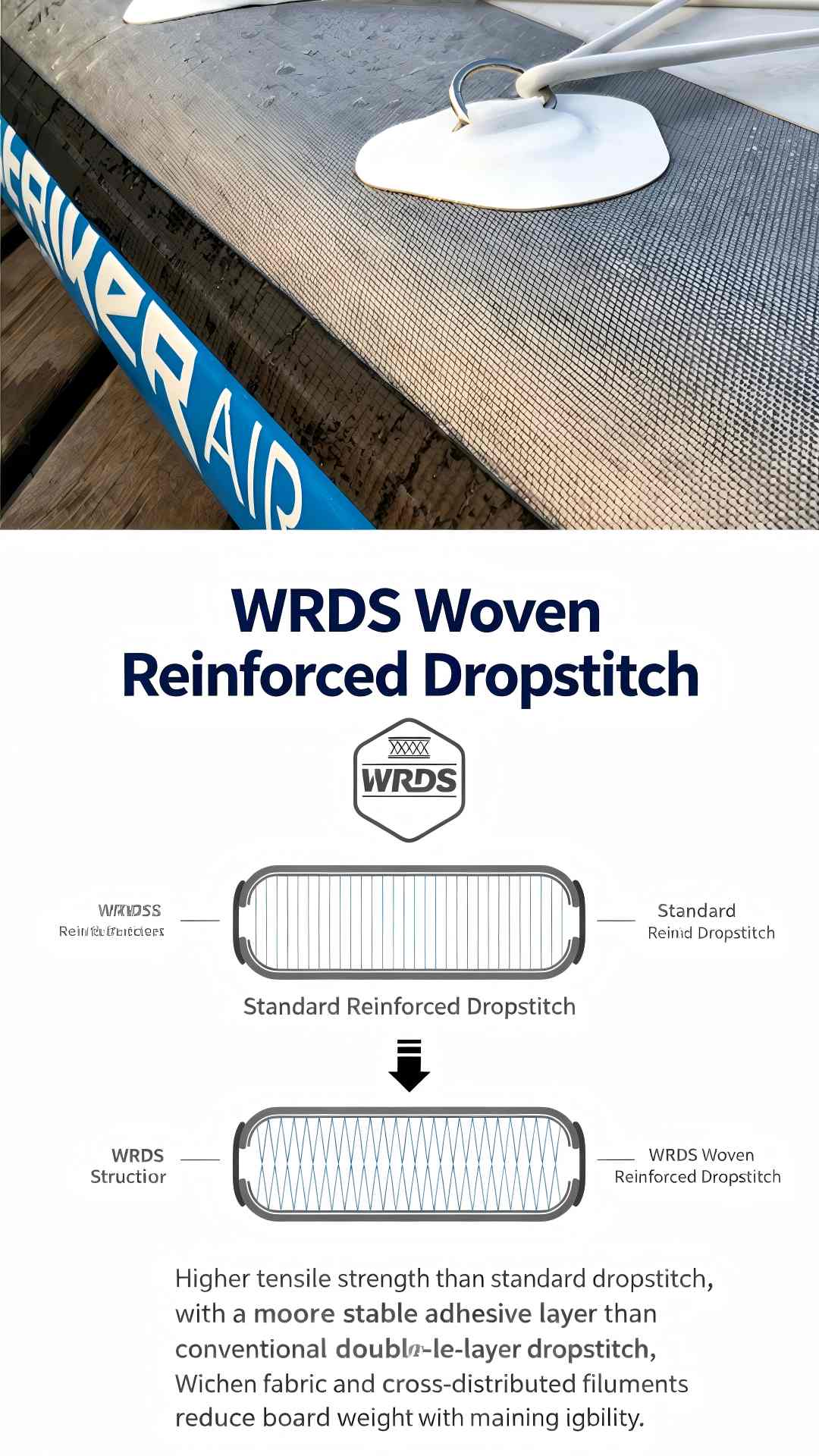
Dropstitch is the internal thread structure that holds the two sides of the board together. Higher density means more threads per square inch, which makes the board stiffer at the same pressure. Cheaper boards use low-density dropstitch that flexes heavily, even when fully inflated.
Molokai uses RDS (Reinforced Dropstitch) technology across all series, with higher density cores for performance and commercial lines.
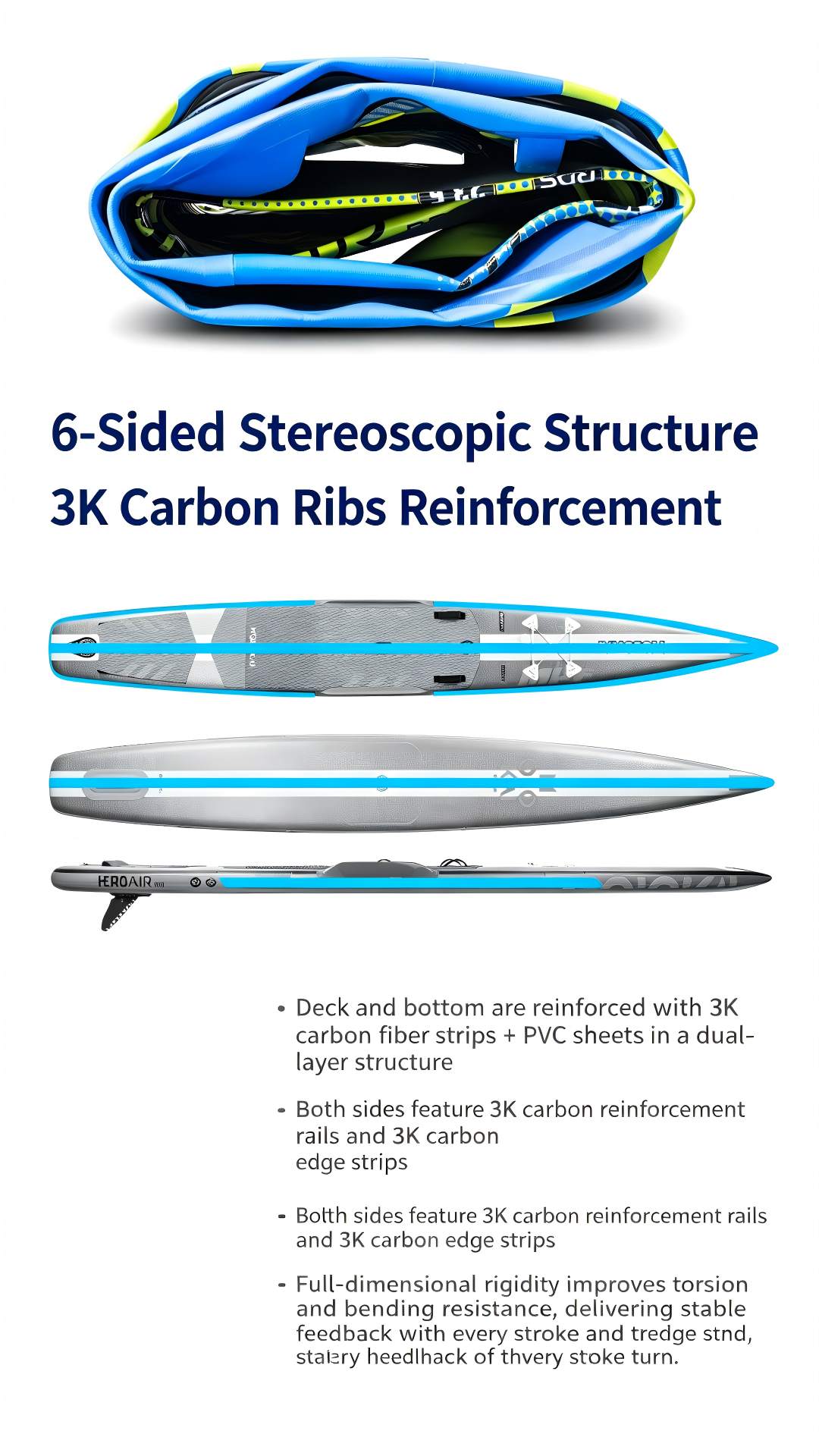
3.2 Rail Reinforcement
The edges (rails) of the board take the most impact damage — from hitting docks, rocks, or being dropped. Double-layer rail construction adds a second layer of PVC along the edges, drastically improving impact resistance and extending board lifespan.
For rental operations, rail reinforcement is non-negotiable. It reduces repair costs and downtime significantly.
3.3 Seam Construction
Heat-welded seams create a permanent, leak-proof bond that lasts for years. Cheaper glued seams degrade over time, especially with sun and saltwater exposure, leading to slow leaks and delamination.
4. Final Purchase Checklist
Use this quick checklist before placing an order, whether you’re buying one board or a full fleet:
- Match the board type to your primary use case, not just the lowest price.
- Confirm weight capacity covers paddler weight plus any gear (coolers, dry bags, etc.).
- Check for reinforced rails and heat-welded seams, especially for commercial use.
- Verify the package includes essential accessories: pump, fin, leash, and repair kit.
- For bulk orders, confirm warranty terms, lead times, and spare parts availability.
Looking for a reliable SUP supplier for your business?
Molokai offers wholesale pricing, custom packaging, and full after-sales support for retailers, rental operators and distributors worldwide.
Request Wholesale Quote


